We apply E.S.G. principles into practice. In terms of environmental stewardship, we work towards carbon neutrality through the use of renewable fuels, maximising energy efficiency, and supporting closed-loop recycling.
Socially, we protect health and safety, support diversity and inclusion, and work with local communities as genuine partners. We put ethics, performance-based remuneration and transparent dialogue on the table in each project, and that creates the bonding of trust.
Renewable Integration
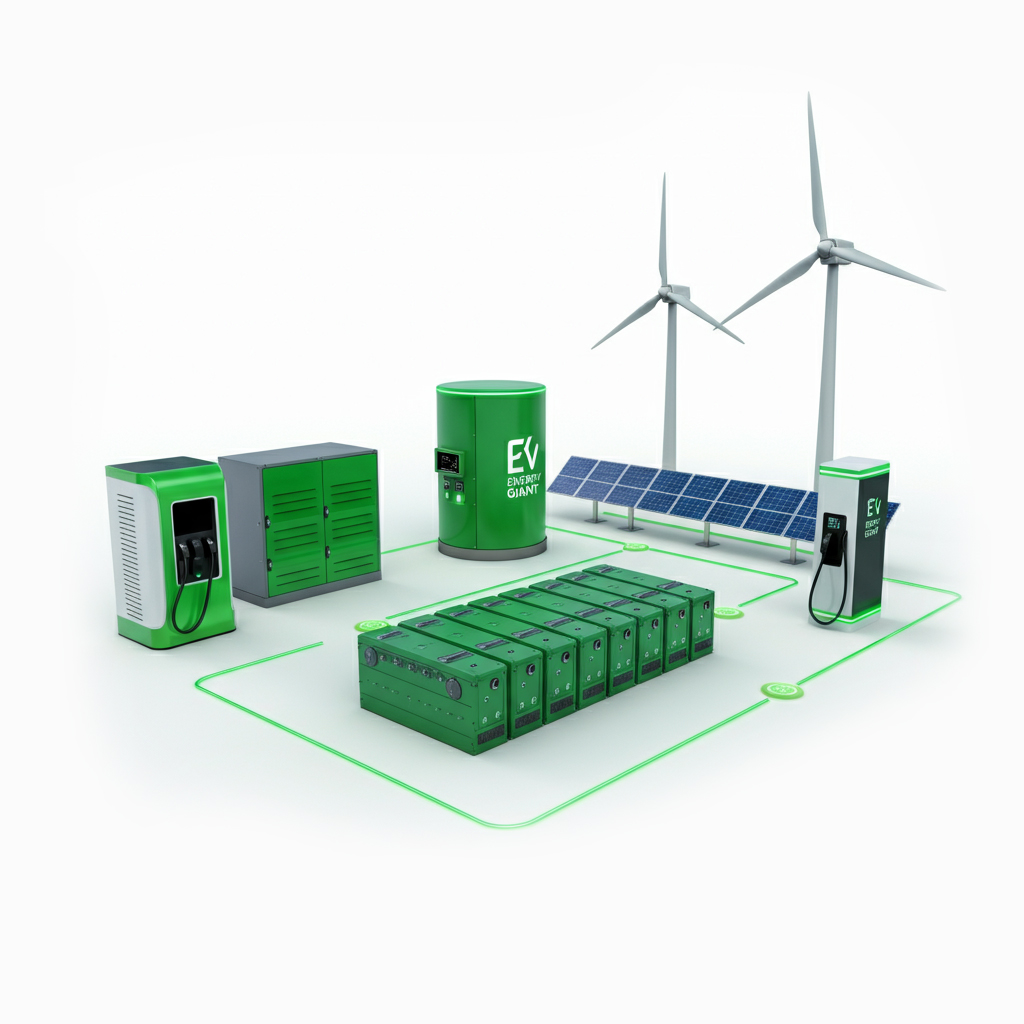
Integration of renewable energy is at the centre of our solutions. Renewable energy is synchronised into the EzEnergy microgrids and Battery Energy Storage System. Every installation is designed to harness the potential of its location, storing surplus generation for later use through time-shifted energy management. This decentralised structure lowers the dependence on fossil fuels and prevents supply disruptions.
Environmental Impact Dashboard
Our Environmental Impact Dashboard offers a clear window into sustainability performance, presenting in real time the carbon, water and waste metrics that matter most. Users can see how much carbon emission has been avoided through renewable charging and storage, alongside certificates of carbon credits generated for each project. The dashboard also tracks water consumption—such as the 400 litres used daily at our Kolkata microgrid—highlighting how sourced water is reused in toilets and for vehicle washing, ensuring a closed-loop cycle. Waste streams are measured too, showing quantities diverted from landfills through material recovery and recycling programmes. Even construction materials are monitored, from eco-bricks to bamboo elements with lifespans exceeding thirty years, demonstrating our commitment to responsible sourcing and long-lasting assets.
Carbon Credit Tool
Integrated within the dashboard, our Carbon Credits Tool translates emissions savings into certified credits. Organisations may model their baseline emissions, apply avoided-emission data from renewable microgrids and storage, and generate formal certificates of carbon credit. These certificates serve as tangible proof of climate action, supporting regulatory compliance, enriching sustainability reporting and reinforcing a genuine commitment to a low-carbon future. By combining transparent metrics on carbon, water and waste with a straightforward credit issuance process, EzUrja empowers leaders to steer their energy strategies with confidence and integrity.
SDG Goals
EzUrja aligns its work with five United Nations Sustainable Development Goals.
Affordable and Clean Energy (SDG 7)
Deployed EzEnergy microgrids across West Bengal and Himachal Pradesh corridors, providing reliable clean power to fleets and communities.
Installed B.E.S.S. (Battery Energy Storage System) at telecom towers and remote sites to store renewable generation and supply continuous power.
Industry, Innovation and Infrastructure (SDG 9)
Engineered and manufactured over 80% of EV chargers in India under Make-in-India guidelines, nurturing local engineering talent.
Partnered with C4V and iM3 for advanced cell technology, integrating AI-driven controls for demand management and smart charging.
Sustainable Cities and Communities (SDG 11)
Built charging hubs along the 220 km NH 19 corridor between Kolkata and Asansol, with stations every 30 km to support urban and intercity travel.
Enabled rapid-deployment Ez4EV vans in major cities, ensuring premium fleets maintain service with minimal downtime.
Responsible Consumption and Production (SDG 12)
Recycles up to 75% of charger components at end-of-life, feeding materials back into production.
Uses eco-bricks and bamboo-reinforced construction in microgrid sites, selecting materials with lifecycles exceeding thirty years.
Reuses 400 litres of water daily at the Kolkata microgrid for toilets and vehicle washing, closing the loop on-site water management.
Climate Action (SDG 13)
Tracks avoided emissions and issued certified carbon credits through our Environmental Impact Dashboard, converting operational savings into tangible climate assets.
Integrates solar PV with B.E.S.S. and EzEnergy systems to displace fossil generation, reducing carbon dioxide output and supporting carbon-conscious operations.